
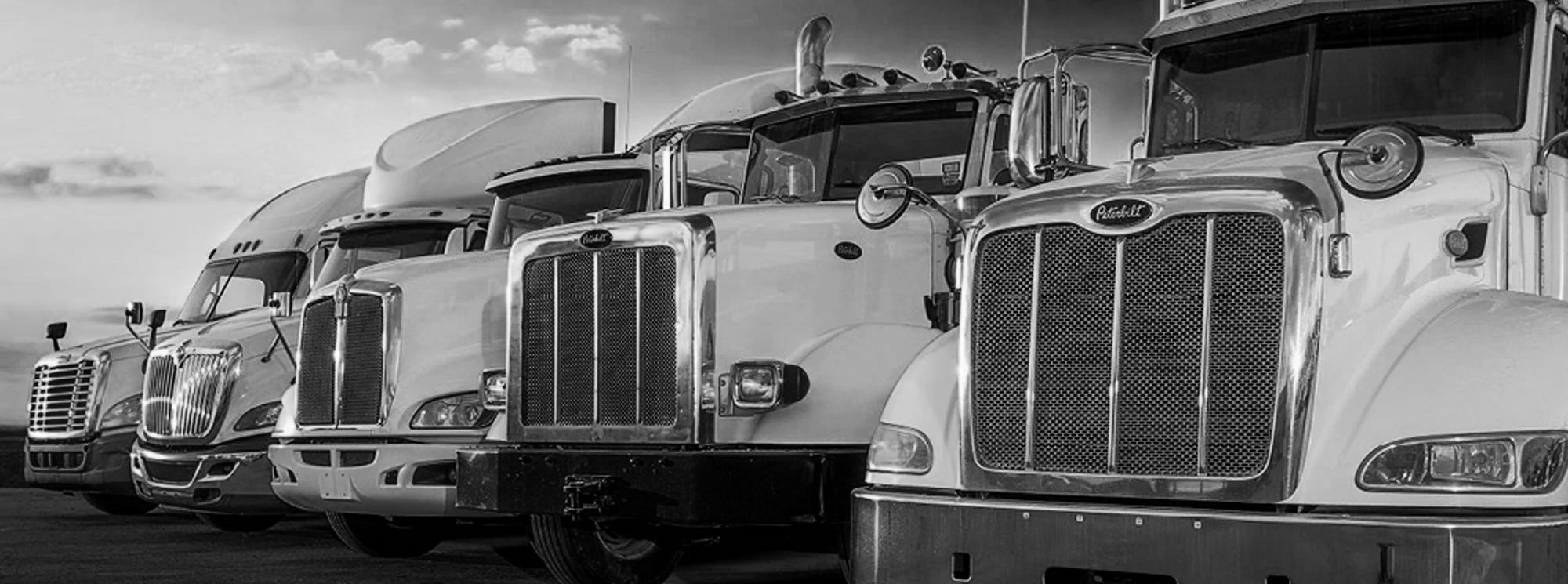
Truck, Heavy Machinery & Trailer Dealership Advisors
M&A Advisors for Commercial Dealers
Call 423-499-9956
Helping Commercial Dealerships Unlock Value
The Commercial M&A Advisory practice of Melton Advisors works with owners and operator groups across commercial truck, vocational vehicle, trailer, and equipment dealership sectors throughout the United States. Our work centers on transaction strategy, valuation positioning, and real estate alignment for asset-intensive operations where inventory, facilities, and capital structure directly influence enterprise value and long-term control.
We are not transactional brokers. We serve as strategic advisors to ownership teams who understand that disciplined preparation — often well before a transaction — ultimately defines outcomes in commercial and equipment dealership-driven industries.
Who We Serve
Melton Advisors advises privately held principals, family enterprises, and select institutional platforms operating within commercial and specialty dealership sectors, including:
Vocational vehicle and fleet service operations
Equipment dealerships across the construction, agriculture, and industrial segments
Owners of real estate tied to operating commercial dealership assets
We coordinate with OEMs, manufacturers, lenders, legal counsel, and tax advisors when transaction structure or ownership transitions require alignment across stakeholders.
Transaction Advisory
M&A activity in the commercial truck, equipment, and trailer sectors requires industry fluency, capital discipline, and operational awareness. Our advisory work is selective, confidential, and relationship-driven.
We support owners seeking experienced guidance before, during, or alongside a transaction — whether evaluating a sale, pursuing acquisitions, consolidating locations, or restructuring ownership. Engagements often begin with valuation analysis, buyer-universe assessment, and transaction-readiness planning, well in advance of any formal process.
When a transaction moves forward, we remain actively involved as strategic advisors — helping principals evaluate structure, allocate risk, and protect long-term enterprise value.
Real Estate Advisory
Real estate is often the most underleveraged asset in a commercial dealership transaction. Yard capacity, facility scale, and land position directly affect valuation, buyer interest, and deal terms — yet frequently go unaddressed until a transaction is underway.
We advise owners on real estate positioning ahead of M&A events — ensuring facility ownership, rent structure, and lease terms are aligned with enterprise value before a buyer enters the process. For commercial operators with significant real estate holdings, this coordination is often the most consequential part of the advisory work.
Advisory Built for Owners
Melton Advisors works with a limited number of commercial dealership clients at any given time. Every engagement is confidential, tailored, and grounded in long-term relationships — not transaction volume.
This advisory platform exists for owners who value preparation over urgency, strategy over momentum, and guidance that respects both operational complexity and balance sheet realities.
Connect with Melton Advisors
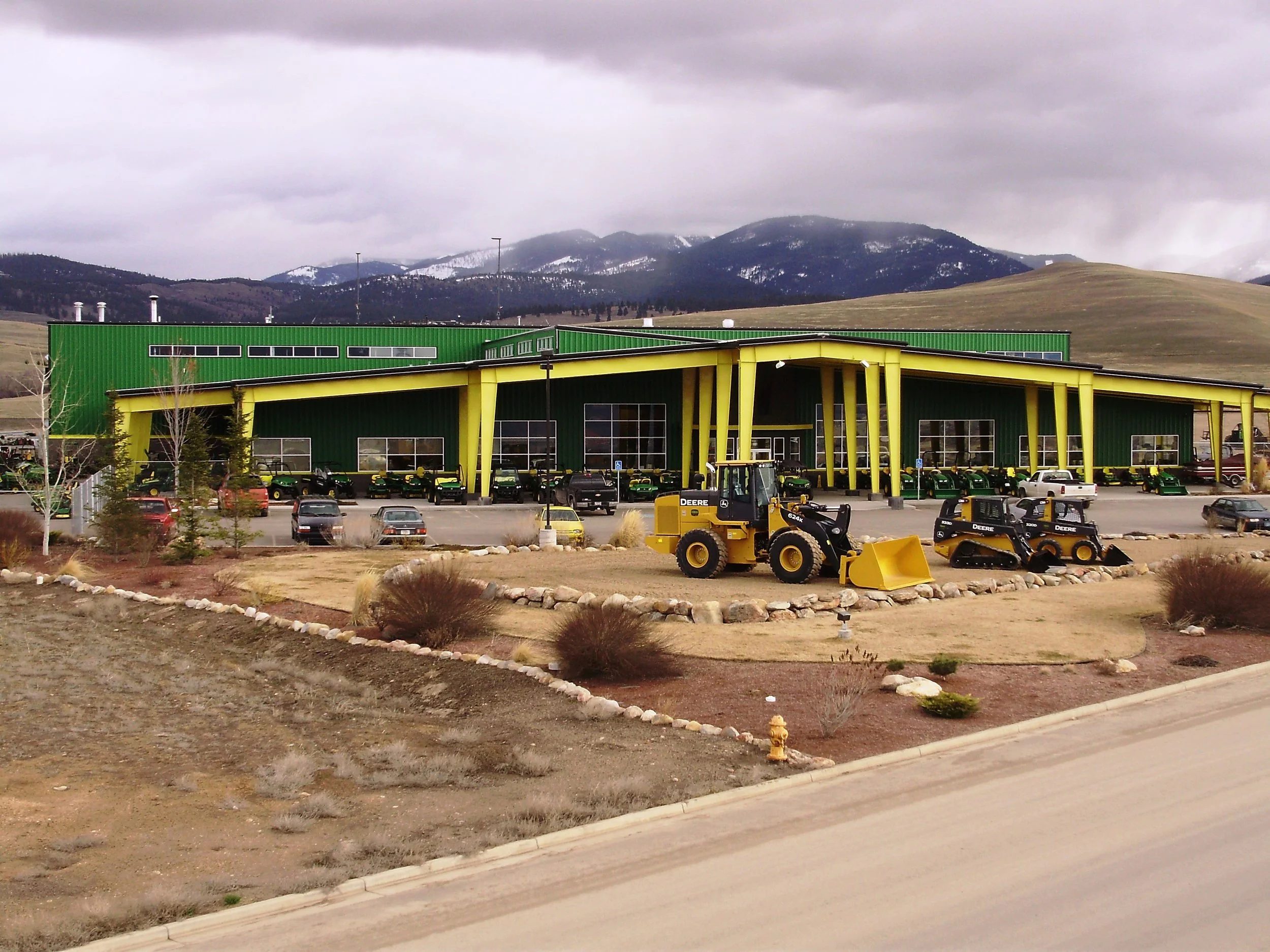
Frequently Asked Questions by Commercial Dealers
-
Melton Advisors advises dealer principals in the commercial truck, heavy machinery, and trailer sectors on sale-leaseback, build-to-suit, M&A, and capital strategy — tailored to asset-intensive operations with significant real estate equity.
-
We work with heavy truck dealers (Freightliner, Kenworth, Peterbilt, Volvo, Mack, International) and heavy machinery dealers across construction, infrastructure, and industrial segments (CAT, Komatsu, John Deere, Kubota, Case). Each sector has distinct dynamics that influence strategy and valuation.
-
We represent dealer principals exclusively. No dual representation, no buyer mandates. Our role is to advise ownership and protect their interests throughout any transaction or strategic decision.
-
Most brokers focus on running a sale process. We focus on real estate alignment, capital structure, and transaction preparation before a process begins — creating leverage and improving outcomes rather than simply managing a deal.
-
Value is driven by fixed operations — parts and service performance, absorption rates, fleet relationships, territory strength, and facility scale. Real estate ownership, lease structure, and facility condition also carry significant weight with buyers and lenders.
-
OEM alignment is critical. Manufacturers evaluate buyer capability, financial strength, and operational fit. We incorporate OEM expectations into buyer selection and manage the approval process alongside the transaction.
-
Buyers include large regional and national dealer groups, manufacturer-aligned operators, and select institutional-backed platforms. We maintain relationships across these groups to create competitive processes and credible execution.
-
Real estate is often the most significant component of enterprise value due to land requirements, yard capacity, and facility scale. We advise on sale-leaseback structuring, build-to-suit development, and facility positioning to improve both liquidity and long-term flexibility.
-
Capital structure directly affects a dealer's ability to expand locations, invest in facilities, and support inventory and service operations. We help align capital with growth objectives to avoid constraints when opportunities arise.
-
Yes. We advise on acquisition strategy, target identification, valuation, negotiation, and capital structuring — helping dealer principals expand their footprint in a disciplined and strategic way.
-
Most transactions take between 6 to 9 months depending on complexity, OEM approval timelines, and preparation. Dealers who are properly positioned upfront tend to see more efficient execution.
-
We run a highly controlled and discreet process. Buyer outreach is selective, information is shared in phases, and internal exposure is minimized to protect employees, customers, and OEM relationships.